Essential Mouse Trap Tips for Effective Pest Control?
When it comes to pest control, using a Mouse Trap can be one of the most effective strategies. These traps come in various types, each designed for specific needs. Knowing the best practices can make all the difference in addressing mouse issues.
Setting a Mouse Trap correctly is essential. Positioning it near droppings or signs of activity increases the chances of success. For instance, using bait like peanut butter can attract mice better than cheese. The right placement and bait can make your attempt more effective.
However, many people overlook maintenance. Regularly checking traps and disposing of catches properly ensures better results. If traps are left unchecked, they can become ineffective or even unhygienic. Reflecting on these aspects can lead to improvements in your pest control approach. With mindful techniques, your Mouse Trap can become a key tool in keeping your home pest-free.
Understanding the Different Types of Mouse Traps Available
When dealing with mouse infestations, understanding the types of traps available can be crucial. There are several options on the market. Snap traps are among the most common. They are simple devices that kill mice instantly. They require bait, usually peanut butter or cheese, to attract the rodents. However, setting them up can be tricky. If placed incorrectly, they may go unused.
Live traps are another alternative. These allow you to catch mice without harming them. These traps can hold multiple mice in one capture. They need monitoring, though. You must regularly check if any mice are inside. If you don’t, you risk leaving them without food or water, which is not humane.
Electric traps are also gaining popularity. They deliver a quick shock to mice. Some users appreciate their ease of use and cleanliness. Yet, they can be costly. That might not work for everyone. Understanding these options can help you make a better decision. Each type serves different needs and preferences. Evaluating your specific situation is key.
Choosing the Right Location for Your Mouse Trap Setup
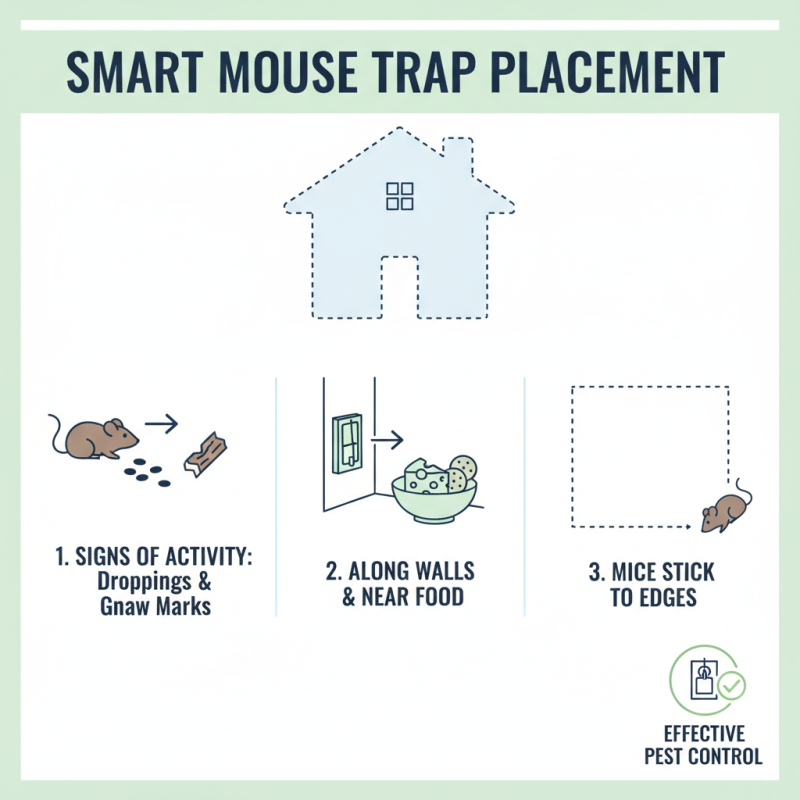
Choosing the right location for your mouse trap setup is crucial for effective pest control. First, look for areas where you’ve noticed mouse activity. Droppings, gnaw marks, and nests indicate these spots. Often, this will be along walls or near food sources. Mice tend to stick to the edges of rooms rather than venturing into open spaces.
Another detail to consider is the proximity to their burrows. Placing traps within a few feet of these areas increases the chances of a successful catch. Ensure the traps are not in high-traffic areas. You want to avoid accidental triggers. These traps should be set in shaded areas where mice feel safe. Additionally, keep them away from pets and children's reach. This creates a more controlled environment for pest management.
Do not forget to periodically check your traps. Leaving them unchecked for days may allow mice to learn and avoid them later. If you find your traps are not catching anything regularly, reflect on their placement. Perhaps they need to be moved closer to newer signs of activity. Adjustments can significantly influence your success rate.
Effective Bait Options to Attract Mice to the Trap
When it comes to attracting mice to traps, bait selection is crucial. Research shows that peanut butter is one of the most effective baits. A study by the National Pest Management Association revealed that 70% of successful traps use peanut butter. Its strong odor and sticky texture are highly appealing to mice.
To enhance your bait options, consider combining ingredients. A mix of peanut butter and oatmeal can create a longer-lasting lure. This method leverages the crunchiness of oats while maintaining the scent of nut butter. Another tip is to use sunflower seeds. Mice are naturally drawn to seeds, making them an excellent choice.
Remember, the placement of bait also matters. Position traps in areas where droppings or gnaw marks are visible. Mice prefer dark spots, so place traps against walls. If a trap remains untouched, reflecting on its location can lead to better results. Adjusting bait intervals and types can improve trap efficiency. Even minor changes can turn a trap from ineffective to successful.
Essential Mouse Trap Tips for Effective Pest Control
Tips for Properly Setting and Maintaining Mouse Traps
Setting and maintaining mouse traps effectively is crucial for pest control. Proper placement is essential. You want to set the traps in areas where you notice mouse activity. Look for droppings, gnaw marks, or nests. These indicators show where mice are most active.
When setting traps, use bait wisely. Peanut butter works well but can be messy. Consider using small amounts to avoid waste. Place the trap close to walls since mice tend to travel along edges. A well-placed trap catches more mice. Remember to check traps regularly.
Sometimes traps may not work as expected. This could be due to incorrect positioning or inadequate bait. Observe if the trap is triggered but remains empty. If so, it might require repositioning. Maintenance is also key. Clean traps after use to remove odors. A clean trap is more appealing to mice.
Safety Precautions When Using Mouse Traps in Your Home
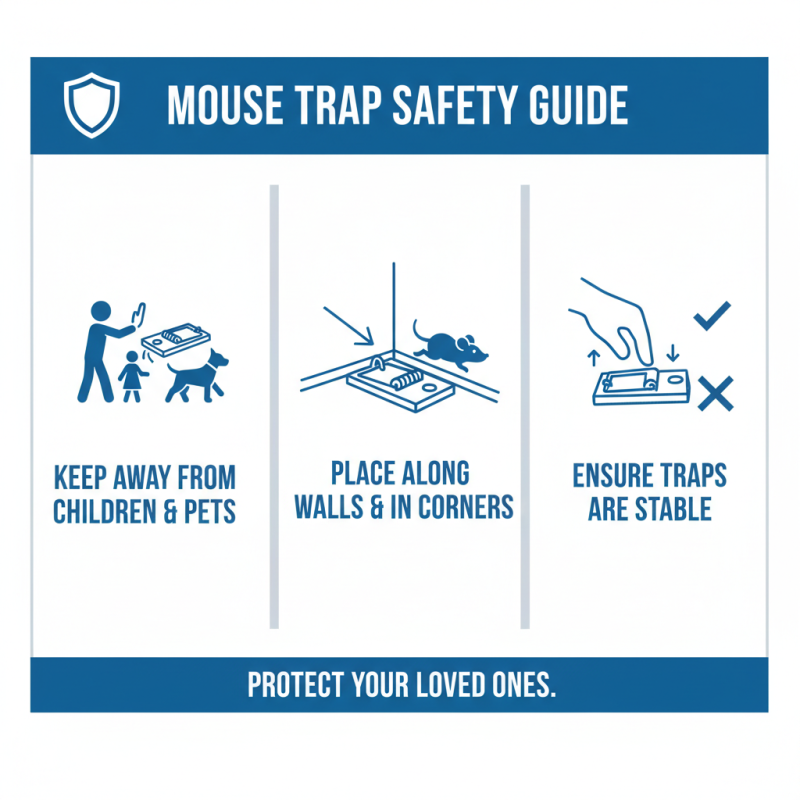
When setting mouse traps, safety should be your top priority. Always keep children and pets away from the trap area. This prevents accidental injuries or unintended captures. Place traps in corners or along walls where mice tend to travel. Make sure they are stable and not easily knocked over.
Do not use traps if you are distracted. Your focus is crucial to ensure proper placement and monitoring. Check traps regularly to minimize suffering and ensure effectiveness. If you find a captured mouse, handle it with gloves and dispose of it properly. Avoid touching the trap with bare hands, as this can spread germs.
Using bait can attract mice more effectively. Peanut butter or a piece of cheese works well. However, be cautious about the amounts used. Too much bait can waste resources and may lead to pests avoiding the traps entirely. Reflect on your approach often, as not every method works for every household. Adjust your strategies as needed for the best results.



 Bird & Pigeon Pest Control
  Mice & Rat Pest Control
  Mole & Vole & Gopher Pest Control
  Fly Insect Pest Control
  Wasp & Bee Pest Control
  Moth Pest Control
  Mosquito Pest Control
  Cockroach Pest Control
  Wildlife Pest Control
  Snake Pest Control
  Bed Bug & Flea Pest Control
  Snail & Slug Pest Control
  Ant & Termites Pest Control
  Spider Pest Control
  Other Insect Pest Control
  Garden Products
  Blog
Blog  Dining Group
 Occasional Tables
 Barstool
 Company Profile
 Our Advantages
 Certification
 Factory VR
 Photos
 Videos
 Product News
 Industry News
 Media Live
 Our Services
 Distributor and Agent
 FAQs
FAQs